Just RELAX!
Just RELAX!
Just RELAX!
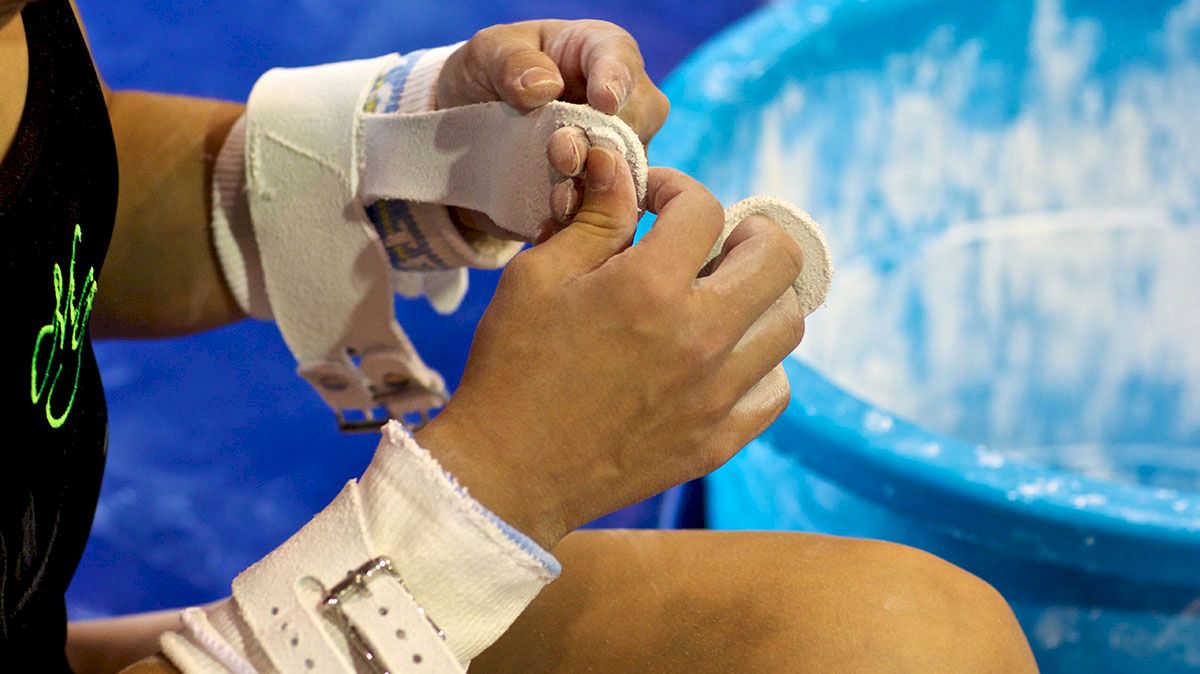
Have you ever heard a coach or athlete talk about “being composed under pressure” or “maintaining composure”? Did you think to yourself, “what does composure mean?” or “how do you do that?” In this blog, I am going to give you 3 simple relaxation techniques for you to try whenever you feel nervous or have tense muscles from stress. By keeping a calm, relaxed mind and body, you are maintaining your composure under pressure. These techniques show you how to do just that! You should try all 3 techniques before you decide which one is your favorite and works best for you.
Every time you practice your relaxation, no matter which technique you use, be sure to use a special, relaxing “cue” word. If you keep using it every time you practice, you will eventually be able to use that word to help you relax much quicker. This will be important when you need to relax immediately before your routine and you don’t have time to do a full relaxation exercise. Choose your cue word carefully and stick to it!
Technique #1: Progressive Muscle Relaxation (PMR)
Find a relaxing place where you can lay down on your back or sit comfortably in your chair with your hands and feet uncrossed. Close your eyes and begin to take several deep breaths (see my previous blog on “Making Those Butterflies Fly In Formation” for details on relaxing breathing techniques). Direct your attention to your lower legs and feet. Tighten the muscles as hard as you can and hold the contraction for about 5 seconds. Notice how tense and uncomfortable those muscles feel. Then, release your tightened muscles and notice how relaxed they feel compared to when they were tense. Remember to say your “relaxation word” quietly in your head when you release the tension. Repeat this process with your feet and lower legs again (it should take about 20-30 seconds to do this twice with each muscle group). Next, focus on your upper legs and tense those muscles, hold it for 5 seconds, and release. Repeat this a second time. Continue moving up your body by clenching your stomach, chest, back, arms and hands, and finally your neck and face. When you are finished, stay completely relaxed and notice how good it feels compared to when you were tense before doing this exercise. When you are ready, slowly open your eyes and become aware of the things around you. It should take about 4-5 minutes to do this exercise. This relaxation exercise is very powerful and can make you sleepy or make you feel heavy and slow. I recommend that you NOT do this before practice or a competition. This technique is better used when you don’t have to do physical exercise within the next 2 hours after using this exercise.
Technique #2: 5-to-1 Count
This is not hypnotism, it is a relaxation technique. You simply start be sitting or lying down in a comfortable position. Close your eyes. Imagine a large number 5 being written on the back of your eyelids (but not in a painful way!). Once you see the number 5, take a slow, deep breath and say “five” quietly in your own head as you breathe out. Then, on your next inhale, see the number 4. During the exhale, quietly say to yourself, “I am more relaxed now than I was at number 5.” Inhale and see the number 3. Exhale and say “I am more relaxed now than I was at number 4.” Feel yourself becoming more calm and relaxed as you count down. Continue this process until you reach number 1. As you approach number one, you should feel totally relaxed. This entire exercise should take 1-2 minutes.
Technique #3: Imagery Relaxation
Close your eyes and adjust your breathing to be very slow and rhythmic. Using your mind’s eye, transport yourself to a very relaxing place (see my blog titled “Visualizing Your Gymnastics” for more details on how to improve your imagery). The most common options are taking yourself to the mountains or the beach, but choose any relaxing place that works for you. I’ve worked with athletes who used other places, such as thinking about a fun vacation they went on with their family or a cool dream that they had or even remembering how relaxing it was for them as they rested on a table in the training room. Think of a place that works well for you – this is YOUR “happy place,” where stress and nerves are not allowed to enter. Remain focused on this relaxing place and let your tension and stress slowly melt away. Do this exercise for as long as you want, but it is typically completed in about 5 minutes.
Please let me know what you think about these relaxation techniques. Which one did you like? Which one works the best for you? Do you use any other relaxation techniques (there are more options than the three I presented here)? Please share by responding to this blog.